
Healing Through Nature Therapy: Benefits for PTSD

You are here because you or someone you care about is seeking gentle, effective ways to heal. Nature has a magical way of soothing the soul, calming the mind, and restoring hope. Imagine stepping outside, breathing in fresh air, feeling the sun on your skin, and hearing birds sing. This is not just a pleasant experience - it’s a powerful form of healing! Today, let’s explore how nature therapy can be a beacon of light for those living with PTSD.
Discover Healing Through Nature Therapy
Nature therapy is more than just a walk in the park. It’s a mindful, intentional connection with the natural world that can bring profound relief. When you immerse yourself in nature, your body and mind begin to relax. Stress hormones decrease, and your nervous system finds balance. This is especially important for those with PTSD, where the body often remains in a state of heightened alert.
You might wonder, how does this work? It’s simple! Nature engages your senses in a soothing way. The rustle of leaves, the scent of pine, the sight of a flowing stream - these sensory experiences help ground you in the present moment. This grounding is crucial for managing PTSD symptoms like flashbacks and anxiety.
Try this: Next time you feel overwhelmed, find a quiet spot outdoors. Close your eyes and listen carefully to the sounds around you. Feel the texture of a leaf or the bark of a tree. Let your breath slow down naturally. This small practice can bring immediate calm and remind you that you are safe here, now.

How Nature Therapy Supports Your Mind and Body
Nature therapy offers a unique blend of mental and physical benefits that work hand in hand. When you spend time outside, your brain releases serotonin and dopamine - the feel-good chemicals that lift your mood. This natural boost can help counteract the depression and anxiety that often accompany PTSD.
Physically, gentle activities like rolling on trails or sitting by a lake can improve your circulation and reduce muscle tension. For those with mobility challenges, many parks and outdoor spaces now offer accessible paths and adaptive equipment, making it easier than ever to enjoy nature’s gifts.
Here are some specific benefits you can expect:
Reduced stress and anxiety: Nature lowers cortisol levels, helping you feel calmer.
Improved sleep: Exposure to natural light helps regulate your sleep cycle.
Enhanced focus and clarity: Time outdoors can clear mental fog and improve concentration.
Increased social connection: Group nature activities foster community and support.
Remember, healing is a journey. You don’t have to do it alone. Joining a nature group or attending outdoor events designed for accessibility can provide both healing and friendship.

Practical Ways to Embrace Nature Therapy Today
You might be thinking, “How can I start?” The good news is, nature therapy is flexible and adaptable to your needs and abilities. Here are some simple, practical steps to bring nature’s healing into your life:
Start small: Even 10 minutes outside can make a difference. Sit on a bench, feel the breeze, and watch the clouds.
Access using AAW Outdoor Chairs: See our map
trails: Look for parks with paved or boardwalk paths designed for wheelchairs or limited mobility.
Bring nature indoors: If going outside is tough, bring plants, natural light, or nature sounds into your home.
Join guided nature programs: We offer outdoor activities tailored for veterans and individuals with mobility challenges. See our events.
Practice mindfulness: Focus on your senses while in nature. Notice colors, smells, textures, and sounds.
Volunteer outdoors: Helping with community gardens or trail maintenance can boost your mood and sense of purpose.
By taking these steps, you are not just spending time outside - you are actively nurturing your mind and body. Every moment in nature is a step toward healing.
The Power of Community in Nature
Healing is even more powerful when shared. Being part of a community that values nature and accessibility can inspire you and provide vital support. Imagine joining a group hike where everyone understands your challenges and celebrates your progress. Or attending an outdoor event where adaptive equipment is available, and the environment is welcoming.
Organizations like Access Ability Wisconsin, Inc. are champions of this vision. They work tirelessly to make the outdoors accessible for everyone, including those with mobility challenges. Their mission is to empower you to be a leader and participant in nature’s healing journey.
When you connect with others who share your love of nature and your healing goals, you build friendships that uplift and encourage. This sense of belonging is a powerful antidote to the isolation PTSD can bring.
Embrace the Journey with Nature Therapy
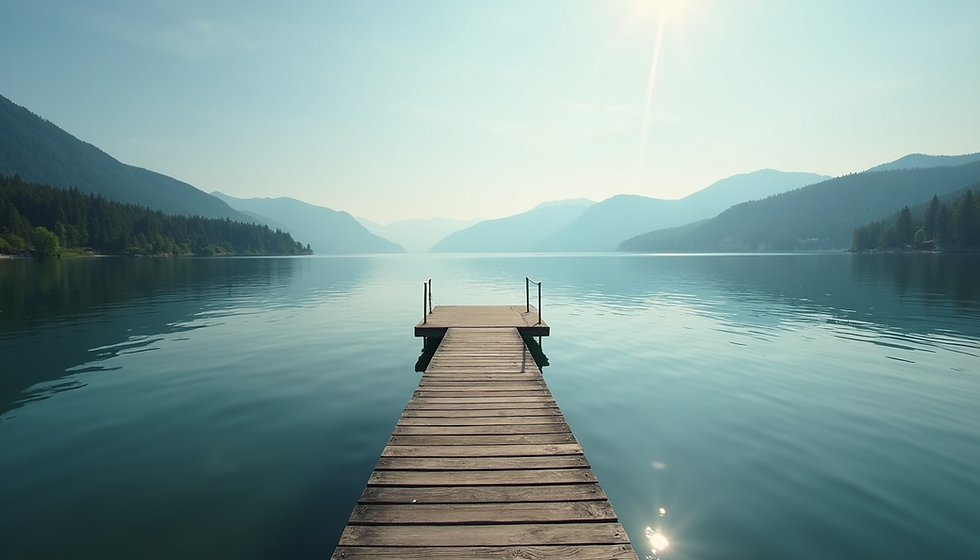
You have the strength to heal, and nature is here to help! Whether it’s the gentle sway of trees, the sparkle of a lake, or the warmth of the sun, these natural elements invite you to breathe, relax, and grow. Remember, healing is not a race. It’s a gentle unfolding, a series of small steps that lead to greater peace and resilience.
If you want to learn more about how to incorporate nature therapy for ptsd into your life or your loved one’s life, reach out to local organizations that specialize in accessible outdoor experiences. They can guide you, support you, and celebrate your journey.
You deserve to experience the joy and calm that nature offers. Step outside, take a deep breath, and let the healing begin!
Your path to healing is waiting in the great outdoors. Embrace it with open arms and an open heart!

Comments