
Discover the Amazing Nature Therapy Benefits for PTSD Recovery

Imagine stepping outside, breathing in fresh air, and feeling the gentle touch of sunlight on your skin. Nature has a magical way of healing, especially when it comes to recovering from PTSD. Yes, you heard that right! The nature therapy benefits for PTSD are profound, and you can experience them too. Whether you’re a veteran, someone with mobility challenges, or a family member supporting a loved one, nature offers a powerful path to healing and hope.
Let’s dive into why nature therapy is such a game-changer and how you can embrace it in your recovery journey!
Why Nature Therapy Benefits for PTSD Are So Powerful
Nature therapy is not just a trend; it’s a scientifically supported approach that taps into the calming, restorative power of the outdoors. When you spend time in nature, your brain and body respond in ways that reduce stress, anxiety, and symptoms of PTSD. Here’s why it works:
Reduces cortisol levels: Nature lowers your stress hormone, helping you feel calmer.
Improves mood: The sights, sounds, and smells of the outdoors boost serotonin and dopamine.
Enhances mindfulness: Being in nature encourages you to focus on the present moment.
Promotes physical activity: Gentle movement in nature improves overall health and well-being.
Fosters social connection: Group nature activities build supportive relationships.
These benefits combine to create a healing environment that feels safe, nurturing, and empowering. You don’t have to be an expert hiker or outdoors enthusiast to enjoy these effects. Even short, accessible nature experiences can make a big difference!

How Nature Therapy Benefits for PTSD Can Transform Your Recovery
You might wonder, “How exactly does nature therapy help with PTSD?” Let’s break it down with some real-life examples and practical insights:
Grounding and Safety
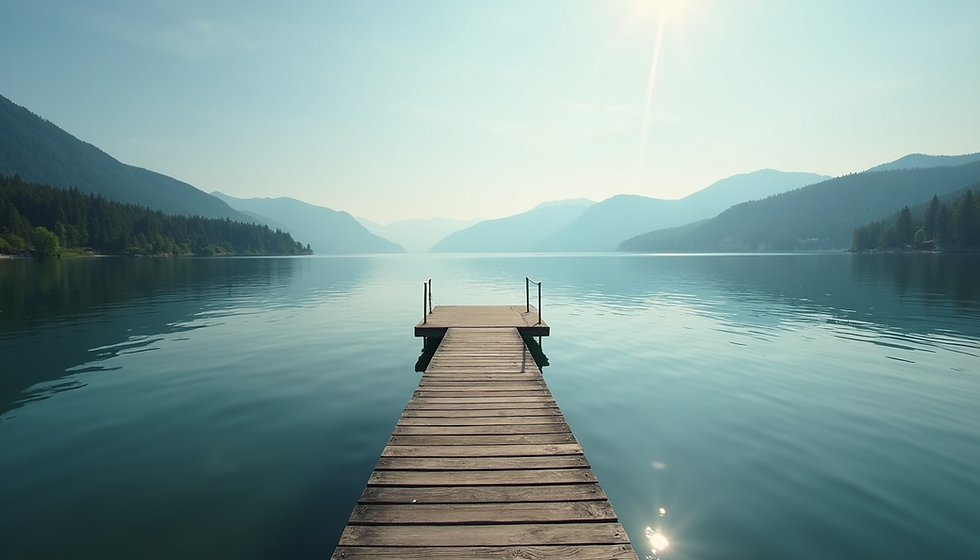
PTSD often brings feelings of fear and hypervigilance. Nature’s steady rhythms and gentle sounds create a grounding effect. Imagine sitting by a calm lake or walking through a quiet meadow. These moments help your nervous system settle and remind you that you are safe right now.
Sensory Engagement
Nature stimulates your senses in a soothing way. The rustle of leaves, the scent of pine, the warmth of sunlight on your skin – these sensory experiences can interrupt negative thought patterns and bring you back to the present.
Empowerment Through Movement
Accessible trails, adaptive equipment, and guided outdoor activities allow you to move at your own pace. This movement releases tension and builds confidence. You might try gentle yoga in a park or a wheelchair-accessible nature walk.
Connection to Something Bigger
Being in nature often inspires awe and wonder. This connection to the natural world can foster hope and meaning, which are vital for healing trauma.
Community and Support
Many organizations offer nature-based programs tailored for veterans and individuals with mobility challenges. Joining these groups can provide a sense of belonging and shared purpose.
By embracing these elements, you can create a personalized nature therapy routine that fits your needs and lifestyle.
How to Heal Trauma Holistically?
Healing trauma is a journey that involves your mind, body, and spirit. Nature therapy fits beautifully into a holistic approach. Here’s how you can combine it with other healing practices:
Mindfulness and Meditation
Practice mindfulness outdoors. Focus on your breath, the sounds around you, or the feeling of the ground beneath your feet. This helps calm your mind and reduce PTSD symptoms.
Creative Expression
Bring a journal or sketchbook to your nature outings. Writing or drawing what you experience can help process emotions and foster self-awareness.
Physical Therapy and Movement
Work with therapists who incorporate nature-based exercises. Adaptive yoga, tai chi, or gentle stretching in a natural setting can improve mobility and reduce pain.
Social Support
Connect with support groups that organize outdoor activities. Sharing your journey with others who understand can be incredibly healing.
Professional Counseling
Combine nature therapy with trauma-informed counseling. Therapists can guide you in integrating your outdoor experiences into your recovery.
Remember, healing is not linear. Some days will be easier than others, and that’s okay! Nature is always there, ready to support you whenever you need it.

Practical Tips to Start Your Nature Therapy Journey Today
Ready to experience the benefits of nature therapy for PTSD? Here are some simple, actionable steps to get you started:
Find Accessible Outdoor Spaces
Look for parks, gardens, or trails that accommodate mobility needs. Many places now offer paved paths, ramps, and adaptive equipment.
Start Small
Even 10-15 minutes outside can help. Sit on a bench, listen to birds, or feel the breeze. Gradually increase your time as you feel comfortable.
Bring a Buddy
Invite a friend, family member, or support person. Sharing nature experiences can boost your mood and motivation.
Use Technology Wisely
Apps can help you identify plants, birds, or stars. They can also guide you through mindfulness exercises outdoors.
Join Nature-Based Programs
Organizations like Access Ability Wisconsin, Inc. offer events and activities designed for people with mobility challenges. These programs provide safe, supportive environments to explore nature.
Create a Nature Ritual
Develop a routine that includes nature time. It could be a morning walk, an afternoon garden visit, or weekend outings.
Listen to Your Body
Pay attention to how you feel during and after nature time. Adjust your activities to suit your energy and comfort levels.
By taking these steps, you’re not just spending time outside – you’re actively nurturing your healing and well-being!
Embrace the Outdoors and Empower Your Healing Journey
Nature is a powerful ally in your recovery from PTSD. It offers peace, strength, and connection in ways that traditional therapies sometimes cannot. You deserve to experience the joy and freedom that comes from being in the great outdoors, no matter your mobility or background.
Remember, you are not alone. Organizations like Access Ability Wisconsin, Inc. are here to help you access nature’s healing benefits safely and joyfully. Together, we can break down barriers and open the door to a world where everyone can thrive in nature’s embrace.
So, why wait? Step outside, breathe deeply, and let nature guide you toward healing and hope. Your journey starts now!
For more information on how to incorporate nature therapy for ptsd into your life, check out resources and programs designed just for you.
You have the power to heal. Nature is ready to help. Let’s take that first step together!


Comments